
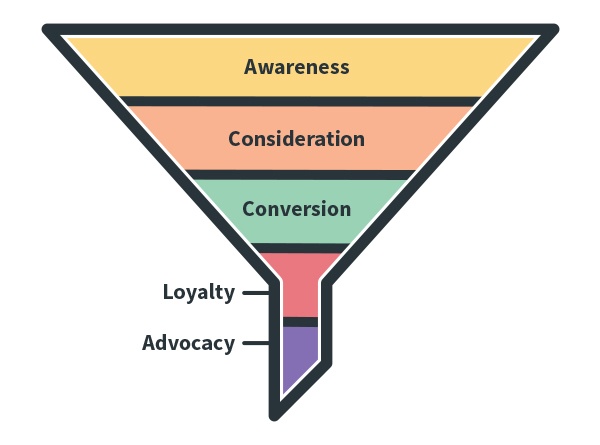
If there’s one thing that separates successful businesses from the rest, it’s a well-built digital marketing funnel. A marketing funnel isn’t just a fancy term—it’s the engine that drives consistent leads, nurtures relationships, and converts prospects into loyal customers.
Think of it as a guided journey. You attract strangers, earn their trust, and gradually lead them toward becoming raving fans of your brand. Without a funnel, you’re just guessing who’s ready to buy and who’s not.
A powerful funnel simplifies the customer journey and helps you automate your growth. It turns cold traffic into warm leads and warm leads into paying customers—on autopilot.
Understanding the Core Stages of a Digital Marketing Funnel
A digital marketing funnel works like a roadmap, guiding people from awareness to purchase. Each stage has its purpose, and if one breaks, your entire funnel leaks potential sales.
1. Awareness Stage – Grabbing Attention
This is where people first discover your brand. Maybe they find your blog on Google, see your ad on social media, or watch your video on YouTube.
Your job here is to educate and attract, not to sell.
Use blog posts, SEO, social media, and paid ads to get noticed. The goal is simple—make people aware you exist and offer something valuable.
Example: A digital agency might write a post like “10 Ways to Boost Online Sales Without Ads.” This creates curiosity and trust.
2. Interest & Consideration Stage – Building Trust
Now that you’ve caught their attention, it’s time to nurture them. Here, your leads are researching solutions and comparing options.
Deliver value through email campaigns, free webinars, lead magnets, or case studies. Build authority by addressing their pain points and showing results.
Remember—people buy from those they trust. The more personal and authentic your message, the better your conversion rate.
3. Decision Stage – Converting Prospects into Customers
At this point, your leads are ready to buy—but they might still hesitate. Your role is to remove friction and make their decision easy.
Offer strong calls-to-action (CTAs), persuasive copy, and social proof.
Landing pages should be clean, mobile-friendly, and focused on one goal: conversion. Add testimonials, guarantees, or limited-time offers to create urgency.
Example: “Get started today—risk-free for 14 days.”
4. Action & Retention Stage – Turning Buyers into Advocates
Most businesses stop after the sale. Big mistake.
The real growth happens when you turn happy customers into brand ambassadors.
Use follow-up emails, loyalty programs, and personalized offers to keep them engaged. Retaining customers is cheaper and easier than finding new ones.
Reward loyalty, ask for feedback, and keep delivering value beyond the purchase.
Step-by-Step Guide: How to Build a High-Converting Digital Marketing Funnel
Let’s break down how you can design your funnel from scratch.
1. Define Your Target Audience and Buyer Persona
Start with understanding who your ideal customer is.
What are their goals, frustrations, and motivations?
Use surveys, analytics, and customer interviews to create a detailed buyer persona.
A clear persona helps you craft content that speaks directly to your audience’s emotions and challenges.
2. Map the Customer Journey
Before creating content, map out your customer’s journey. Identify touchpoints—where they first meet you, where they drop off, and what makes them convert.
Tools like Funnelytics or Lucidchart help visualize this process.
Your goal is to create a smooth experience from awareness to action.
3. Create Relevant Content for Each Funnel Stage
Each stage needs different content.
- Awareness: Educational blog posts, social media content, infographics
- Consideration: Case studies, comparison guides, webinars
- Decision: Product demos, free trials, offers
Use content marketing and email automation to deliver the right message at the right time.
4. Choose the Right Tools and Platforms
You can’t build an efficient funnel without the right tech stack.
Use CRM systems like HubSpot, ActiveCampaign, or Salesforce to manage leads.
For automation, tools like Zapier and Mailchimp work wonders.
Analytics tools such as Google Analytics or Hotjar help track performance and user behavior.
5. Design Your Funnel Flow
Your funnel should be logical and frictionless.
Sketch out how visitors move from your blog to landing pages, emails, and checkout.
Every step should feel natural, not forced.
Use visual funnel builders to test and improve your flow.
6. Set Up Tracking and KPIs
Data is your best friend.
Track metrics like conversion rate, click-through rate (CTR), customer acquisition cost (CAC), and lifetime value (LTV).
This helps you see where leads drop off and where to optimize.
Without tracking, you’re marketing blindfolded.
Proven Tactics to Boost Funnel Conversion Rates
Once your funnel is live, it’s time to optimize.
Here are a few proven tactics:
- Personalization: Tailor your emails and offers based on user behavior.
- A/B Testing: Test headlines, CTAs, colors, and images to find what works best.
- Social Proof: Add testimonials, reviews, and trust badges.
- Retargeting: Use Facebook and Google Ads to re-engage lost visitors.
- Scarcity & Urgency: Limited offers trigger quick decisions.
Small tweaks can lead to big conversion jumps.
Common Mistakes to Avoid When Building a Funnel
Even the best marketers make mistakes. Avoid these pitfalls:
- Creating content that doesn’t match your audience’s intent.
- Overcomplicating your funnel with too many steps.
- Ignoring post-purchase engagement.
- Neglecting mobile optimization.
- Failing to analyze data regularly.
A simple, data-driven funnel beats a complicated one every time.
Measuring Success: Key Funnel Metrics and Analytics
You can’t improve what you don’t measure.
Focus on these key performance indicators (KPIs):
- CTR (Click-Through Rate): Measures engagement.
- CPL (Cost Per Lead): Tracks how efficiently you generate leads.
- CAC (Customer Acquisition Cost): Calculates how much you spend to acquire a customer.
- LTV (Lifetime Value): Predicts long-term profitability.
Use tools like HubSpot Analytics, Google Data Studio, and Meta Ads Manager to monitor results in real-time.
Real-Life Examples of Winning Digital Marketing Funnels
Example 1: SaaS Funnel
A SaaS brand offers a free trial (awareness), follows up with automated onboarding emails (consideration), and later upsells premium features (conversion).
This mix of education and timing creates seamless conversions.
Example 2: eCommerce Funnel
An online store offers a discount for new sign-ups (awareness), retargets cart abandoners with email reminders (consideration), and runs loyalty programs (retention).
Result? More repeat buyers and brand advocates.
Conclusion: Building Funnels That Convert Like Crazy
A great digital marketing funnel isn’t about pushing people to buy—it’s about guiding them to make confident decisions.
When you understand your audience, deliver consistent value, and keep refining your process, conversions happen naturally.
Start small, test often, and remember—every successful business you admire has one thing in common: a funnel that works while they sleep.
Now it’s your turn to build one that converts like crazy.

